
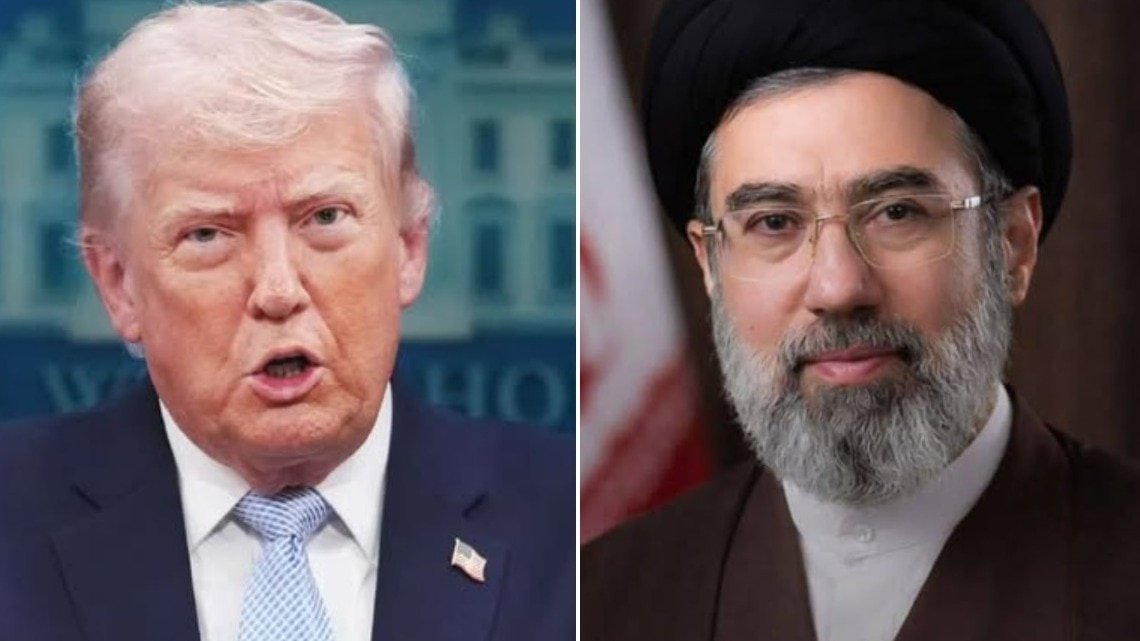

The recent high-stakes negotiations between the United States and Iran in Islamabad aimed to solidify a fragile two-week ceasefire into a lasting agreement. However, after an intense 21-hour marathon session, the talks concluded without any agreement reached between the conflicting parties.
Taking place in the capital of Pakistan, these talks marked the highest-level direct engagement between Iran and the US since the 1979 Islamic Revolution and the American embassy crisis in Tehran. Pakistan played the role of a mediator in these crucial discussions. The context was significant as the ongoing US-Israeli conflict with Iran had already caused disruptions in global oil supplies and heightened tensions in the Middle East.
Prior to the Islamabad talks, experts had highlighted that the deep divisions, lack of trust, and challenging ground realities made the negotiations precarious from the beginning. Here are five key aspects that shed light on the circumstances surrounding the failed talks in Islamabad.
1. Core Issues and Inflexible Positions:
The primary reason for the breakdown of the US-Iran talks in Islamabad was the unwillingness of either side to compromise or shift from their non-negotiable positions. The US insisted on Iran ceasing uranium enrichment and committing to never pursue nuclear weapons, while Iran maintained that its nuclear program was solely for peaceful purposes. Despite efforts, the parties could not find common ground, with US Vice President JD Vance acknowledging the challenges faced in reaching a consensus.
2. Hostile Environment and Lack of Trust:
Effective peace talks require a foundation of trust, which was lacking as US President Donald Trump continued to issue threats to Iran, creating a hostile backdrop for negotiations. Trump’s confrontational stance, coupled with the absence of a conducive environment for dialogue, hindered the prospects of building mutual confidence between the parties.
3. Impact of Israel’s Actions in Lebanon:
Simultaneously, Israel’s military strikes in Lebanon, a region controlled by Hezbollah—an ally of Iran, posed a significant obstacle to the peace talks. Iran insisted on halting Israeli attacks as a precondition for negotiations, but Israel’s Prime Minister Benjamin Netanyahu clarified that the ceasefire did not extend to its operations in Lebanon. The ongoing hostilities in Lebanon further strained the already fragile ceasefire dynamics.
4. Strait of Hormuz Dispute:
The control of the Strait of Hormuz emerged as a pivotal issue during the US-Iran talks, with Iran’s previous actions in the strait causing disruptions to oil and shipping routes. The US demanded the immediate reopening of the strait, while Iran sought relief from sanctions and security assurances before considering any concessions. Despite some progress on other fronts, disagreements over the strait persisted, raising concerns about its future status.
5. Trust Deficit and Historical Animosity:
Ultimately, a deep-seated lack of trust between the US and Iran proved to be a major impediment to the success of the peace talks. Years of animosity and past hostilities fueled skepticism and apprehension on both sides, undermining the potential for meaningful dialogue and compromise. The failure to address the trust deficit and bridge the ideological divide contributed to the talks’ ultimate collapse.
The unsuccessful outcome of the Islamabad talks underscores the delicate nature of the ceasefire and the enduring challenges in finding a sustainable resolution to the US-Iran conflict. Despite the setback, Pakistan remains committed to facilitating further dialogue, although the underlying issues and mistrust between the parties continue to pose significant obstacles to achieving a lasting peace agreement.