
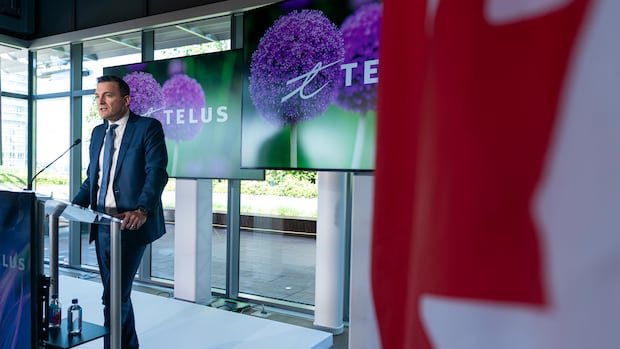

Vancouver and Kamloops are set to host a new data center cluster as part of a collaboration between the Canadian government and Telus. The initiative, unveiled by AI Minister Evan Solomon in Vancouver, aims to enhance Canada’s “sovereign compute capacity” to bolster local businesses and academic sectors in the global AI market. The plan entails expanding Telus’s current Kamloops site and constructing two additional data centers in Vancouver under Ottawa’s “Enabling large-scale sovereign AI data centers” initiative.
“We are committed to establishing sovereign AI capacity in Canada to provide innovators, researchers, and businesses with essential computing resources while safeguarding Canadian data, intellectual property, and economic interests within the country,” stated Solomon. Telus confirmed that the Kamloops and the first Vancouver data center at the former Hootsuite headquarters in Mount Pleasant are expected to be operational later this year, with a second facility planned at 150 West Georgia Street in 2029. The project will commence with an 85-megawatt power capacity, scaling up to 150 megawatts by 2032.
Telus CEO Darren Entwistle emphasized the environmental aspect of the project, noting that the facilities will predominantly run on clean hydro power, recycle waste energy to heat 150,000 homes, and consume 90% less water compared to traditional data centers. The company is also exploring options to incorporate recycled water from B.C. Place stadium. The project has garnered support from the B.C. government, which introduced its AI data center power policy earlier this year.
The policy mandates a competitive process for companies vying for a capped electricity allocation of 400 megawatts over two years, with a preference for projects emphasizing data sovereignty, environmental benefits, and indigenous participation. Vancouver Mayor Ken Sim also endorsed the data centers, referring to them as “world-class facilities.”
Despite the positive reception from political figures, the proposal for new data centers in B.C. has sparked controversy. Plans for a new facility in Nanaimo have faced opposition due to concerns over water consumption. B.C. Green Party Leader Emily Lowan criticized the approach as a “build-first regulate-later model” and called for a moratorium on new data centers until stricter regulations and environmental policies are in place.
Lowan raised skepticism regarding Telus’s environmental claims and highlighted the need for comprehensive environmental impact assessments for such projects. The debate around data center power and water usage reflects a broader issue in North America as tech companies expand their operations to meet the rising demand for AI capabilities.