
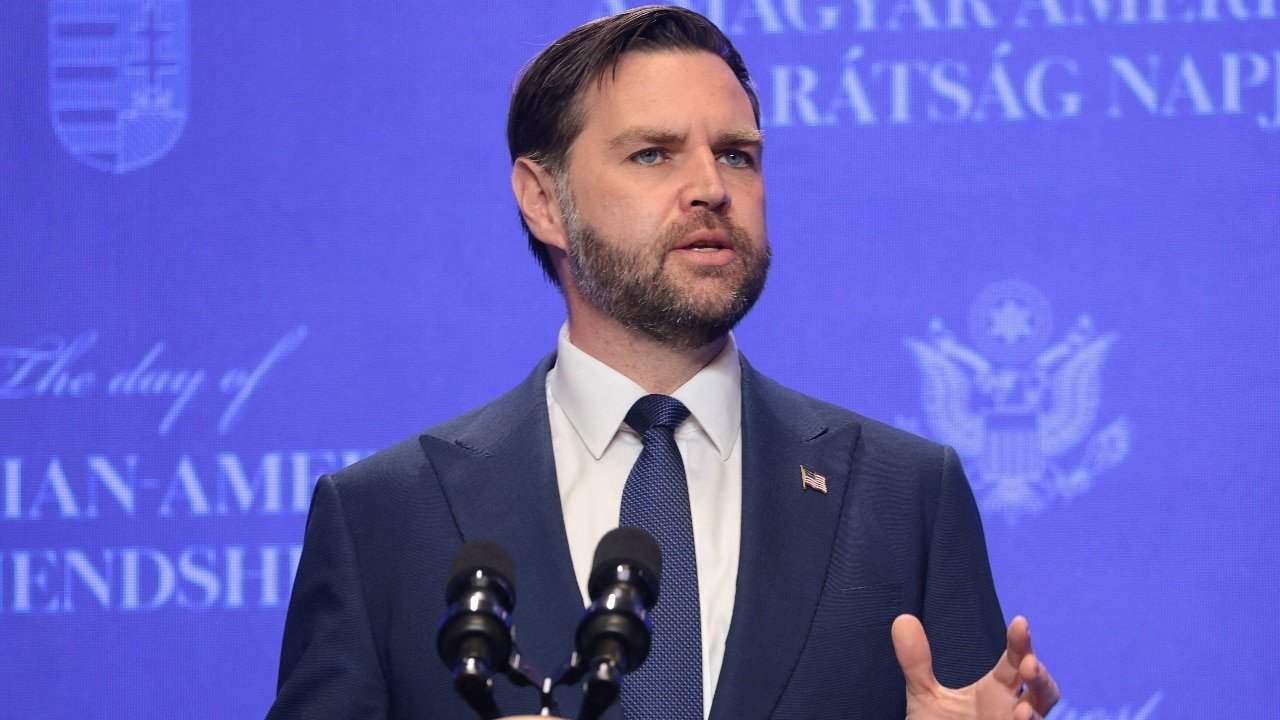

Following US President Donald Trump’s recent threat against Iran, Vice President JD Vance emphasized that the United States still possesses potent options, despite claiming to have achieved most of its military objectives. While in Budapest, Vance highlighted the delicate balance between pressure and potential, suggesting that diplomacy remains a viable but time-sensitive approach.
“The US has largely fulfilled its military goals,” Vance stated, noting that extensive negotiations are expected before the deadline lapses. He pointed out that Washington is currently exercising restraint, withholding certain tools that could be deployed if necessary, under President Trump’s authority. Vance expressed optimism that such measures might not be required, underscoring the preference for a diplomatic resolution over further military actions.
Addressing the looming deadline set by Trump for Iran, Vance stressed that the US anticipates a prompt response. He emphasized that the ball is now in Iran’s court, acknowledging communication delays but expressing confidence in receiving a reply by the specified time. The ultimate goal, according to Vance, is to ensure stability in global energy supplies, emphasizing the importance of uninterrupted oil and gas flows for households.
While confirming indirect talks involving JD Vance, Steve Witkoff, and Jared Kushner through Pakistan, Iran has announced the complete termination of all diplomatic and indirect communication channels with the United States. Tehran’s decision follows a refusal to comply with US demands perceived as coercive. Reports suggest that any US attack on Iranian power plants could lead to widespread repercussions, including potential blackouts across the Middle East.
Iranian allies have warned of potential actions to disrupt the Bab el-Mandeb Strait, a critical trade route between Asia and Europe. Despite acknowledging awareness of planned military strikes on Iran’s Kharg Island, Vance clarified that such actions do not represent a shift in US strategy. The US currently avoids targeting energy infrastructure, contingent upon Iran’s response. Failure to meet specified deadlines may result in severe consequences, including significant damage to Iranian infrastructure.
JD Vance outlined two possible directions for Iran, emphasizing the choice now rests with Tehran. Compliance with global norms, cessation of support for militant groups, and reintegration into global commerce represent one path, while continued economic challenges await if Iran remains uncooperative. As the deadline nears, the decision and its repercussions appear to lie squarely with Iran, with Washington closely monitoring the situation.