
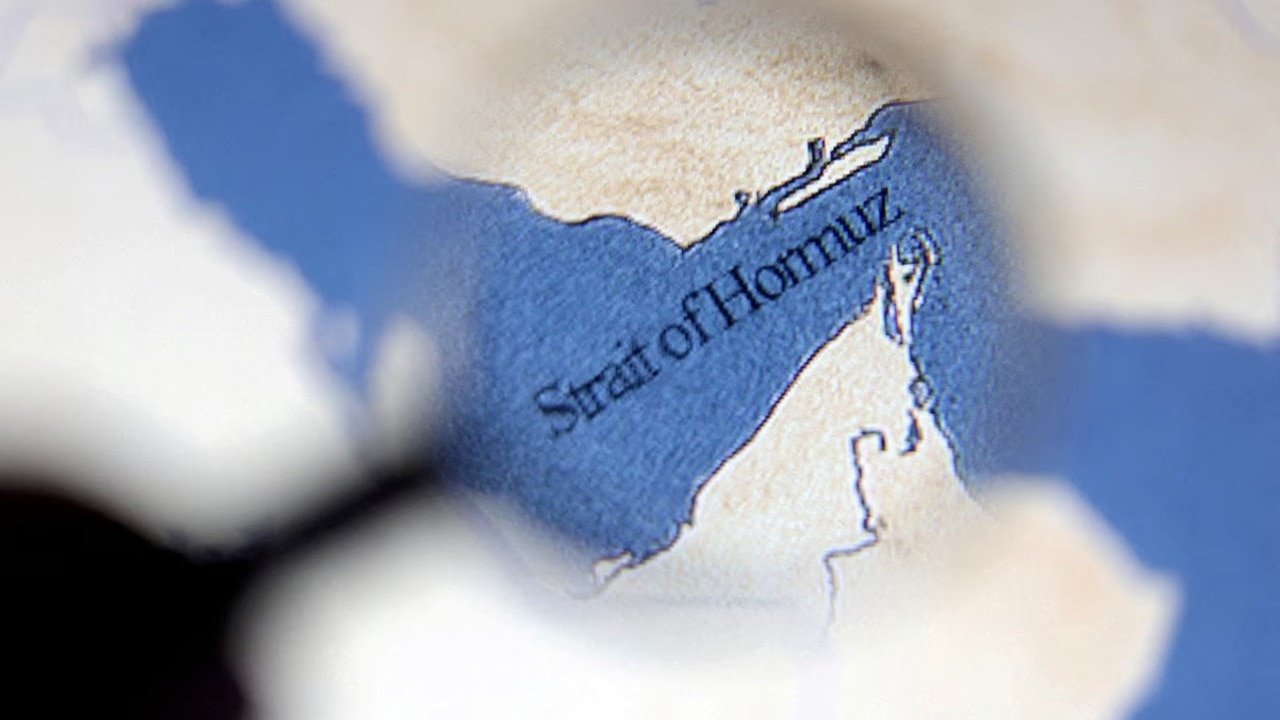

Russia and China utilized their veto power at the UN Security Council to block a resolution concerning the reopening of the vital Strait of Hormuz. The resolution, which had undergone multiple revisions to appease the two countries, ultimately failed to pass, with Pakistan and Colombia abstaining from the vote. The move came after US President Donald Trump issued a strong ultimatum to Iran regarding the strait’s reopening before his specified deadline.
The significance of the Strait of Hormuz lies in its role as a crucial passageway for approximately one-fifth of the world’s oil supply. Iran’s control over the strait during the ongoing conflict has led to spikes in energy prices globally. Following the veto, Abdullatif bin Rashid Al Zayani expressed concerns about the Security Council’s inability to address threats to international waterways effectively.
The resolution, initially proposed by Bahrain, had been significantly watered down in an attempt to secure abstentions from Moscow and Beijing rather than facing outright vetoes. The original draft had included provisions for using “all necessary means,” including military action, to ensure safe navigation through the strait and prevent its closure. Despite US support for this initial proposal, criticism arose against those opposing it.
Mike Waltz, the US ambassador to the UN, strongly criticized Russia and China for enabling Iran’s actions, accusing them of supporting a regime that uses economic coercion and suppresses its own people. The resolution faced opposition from Russia, China, and France, leading to revisions that removed references to offensive force, authorizing only “all defensive means necessary.”
The final draft, vetoed by Russia and China, emphasized the need for states using the strait for commercial purposes to coordinate defensive actions to safeguard navigation. It called for the protection of merchant vessels, prevention of interference with passage, and demanded Iran cease attacks on commercial ships and refrain from obstructing navigation or targeting civilian infrastructure.
The ongoing conflict in the region, which began on February 28 in response to US and Israeli actions, has seen Iran targeting civilian sites across multiple countries, including Gulf nations that are significant oil and gas exporters. Gulf states have regarded Iran’s blockade of the strait as a severe threat, prompting Bahrain to advocate strongly for UN intervention.
Russia and China have attributed the conflict escalation to the US and Israel, calling for an immediate cessation of military activities. A previous resolution, sponsored by Bahrain and passed by the Security Council on March 11, condemned Iran’s attacks on Gulf neighbors and demanded Tehran halt its strikes. The resolution passed with overwhelming support, highlighting concerns about Iran’s actions in the region and the need to ensure international peace and security.