
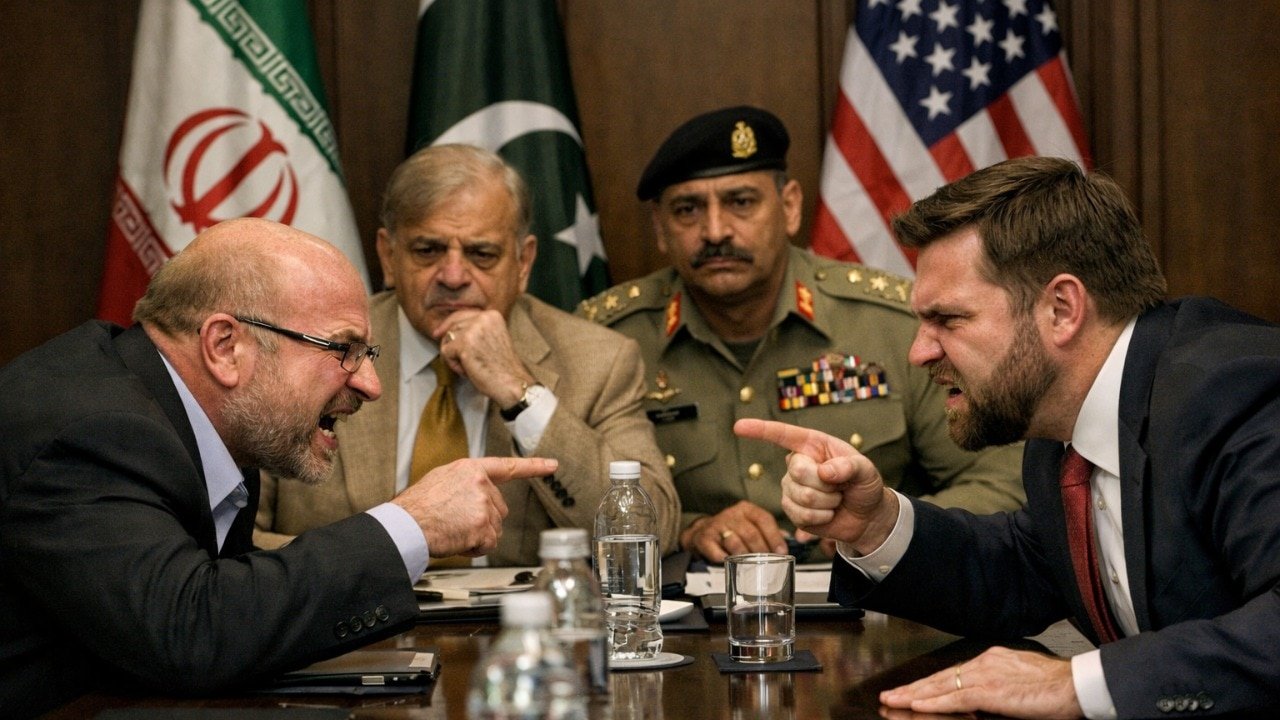

The commencement of the “Islamabad talks” between the US and Iran, led by American Vice President JD Vance and Iranian Parliament Speaker Mohammad Bagher Ghalibaf, respectively, was highlighted by Pakistani Prime Minister Shehbaz Sahrif. These discussions are occurring within the context of an ongoing fragile ceasefire between the two nations. President Donald Trump announced a temporary two-week ceasefire following a request from Pakistan’s PM and Field Marshal Asim Munir to pursue negotiations with Tehran. The decision to host the diplomatic talks in Pakistan reflects Islamabad’s eagerness for a peace agreement between the US and Iran due to various reasons, such as maintaining positive relations with Trump and averting potential conflicts in its unstable western regions.
Despite the presence of two influential states at the negotiating table with leverage over each other, the prospects of a successful agreement seem dim. The failure of the “Islamabad talks” could have severe repercussions for Pakistan that have not been fully considered. Pakistan’s initiative to serve as a diplomatic mediator is not solely to assert global relevance but to safeguard its strategic interests. Experts suggest that a breakdown in negotiations could swiftly escalate tensions, placing Pakistan at risk of being drawn into a conflict with Iran, given its defense alliance with Saudi Arabia.
Pakistan’s geographical location and diplomatic dynamics leave it vulnerable to repercussions from any escalation involving Iran, particularly due to its close defense ties with Saudi Arabia. The country’s reluctance to engage in the Iran war, despite condemning Iranian actions against Saudi Arabia, underscores its cautious approach to avoid being entangled in Middle East conflicts. The potential consequences of Pakistan being embroiled in regional warfare are significant, given its delicate economic situation and internal security challenges.
The primary focus on the US-Iran talks for Pakistan stems from its imperative to avoid being entangled in Middle East conflicts, considering its existing engagements in Afghanistan and Balochistan. The country’s leadership faces a delicate balancing act between maintaining favorable ties with the US and navigating its relationships with other regional powers, especially amid escalating tensions. Pakistan’s fragile economy further underscores the necessity for stability and peace, as any escalation in the Middle East could exacerbate economic challenges, particularly in energy supply and transportation sectors.
In conclusion, Pakistan’s push for a US-Iran peace deal underscores its strategic priorities and economic vulnerabilities, highlighting the critical importance of successful diplomatic negotiations to avert potential conflicts and safeguard national interests.