
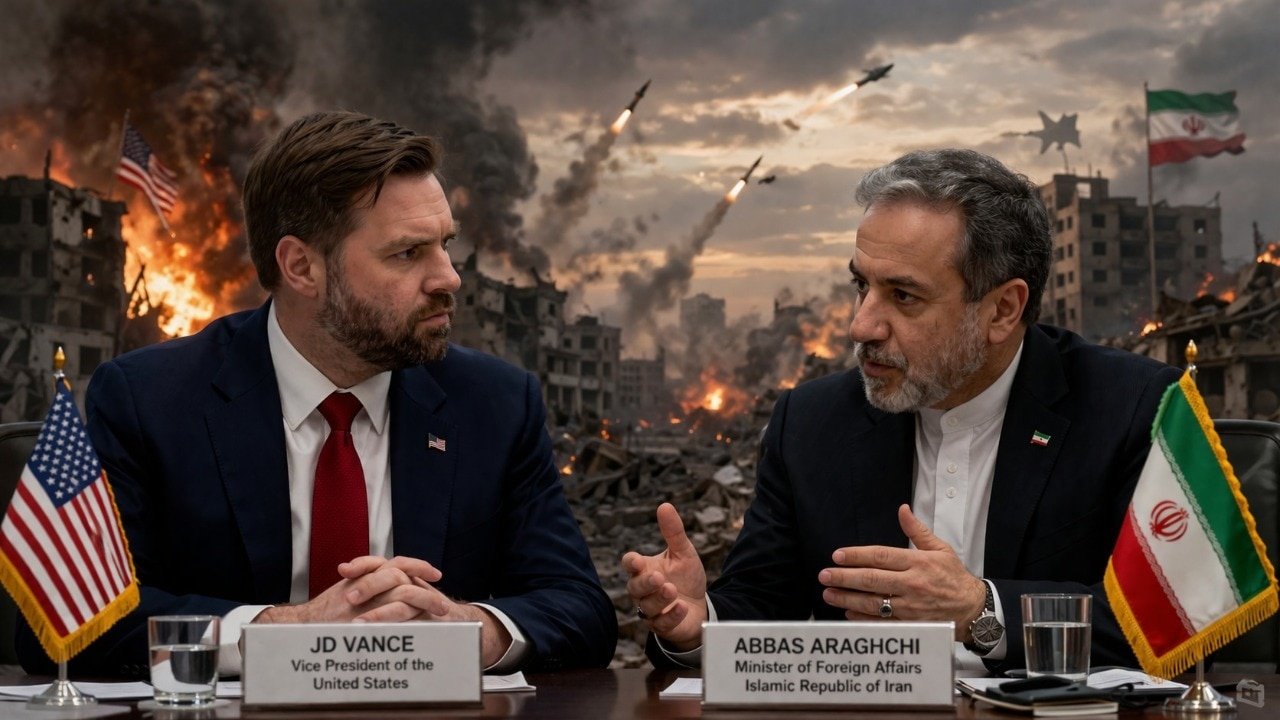

Iran has expressed disappointment over the breakdown of talks with the US, stating that the negotiation process, which was close to finalizing the “Islamabad MoU,” was derailed by US tactics. The discussions, lasting 21 hours, failed to yield any significant progress despite both sides being on the brink of an agreement. Iranian Foreign Minister Abbas Araghchi highlighted the missed opportunity for constructive dialogue, emphasizing the need for mutual goodwill to pave the way for successful negotiations.
President Masoud Pezeshkian reiterated Iran’s willingness to engage in diplomatic talks with the US but emphasized the importance of respecting Iran’s sovereignty and rights. He commended Iran’s negotiating team, led by parliamentary speaker Mohammad Baqer Qalibaf, for their dedication during the talks in Islamabad. Pezeshkian’s remarks signaled Iran’s readiness to continue diplomatic efforts if the US adopts a more cooperative approach.
On the other hand, the United States, led by President Donald Trump, announced a heightened military posture in the region by initiating a blockade of the vital maritime passage, the Strait of Hormuz. Trump emphasized the US Navy’s readiness to intercept vessels conducting business with Iran and to neutralize any perceived threats posed by Iranian-deployed mines in the strait. The US Central Command confirmed plans to enforce the blockade on Iranian ports, starting promptly as per the presidential directive, with the aim of ensuring the safety of international maritime traffic passing through Iranian waters.
The escalating tensions between Iran and the US underscore the fragile state of diplomatic relations, with both countries showing contrasting approaches to resolving conflicts in the region.