

A Saskatchewan First Nation is implementing a unique approach to educate students about their environment. Clearwater River Dene Nation, located approximately 520 kilometers north of Saskatoon, has adopted a seasonal land-based learning model to enhance student engagement. Grade 11 student Landon Moise expressed appreciation for the opportunities this method provides, such as interacting with scientists, sampling, collaborating with NexGen at their future mine, and working alongside new individuals.
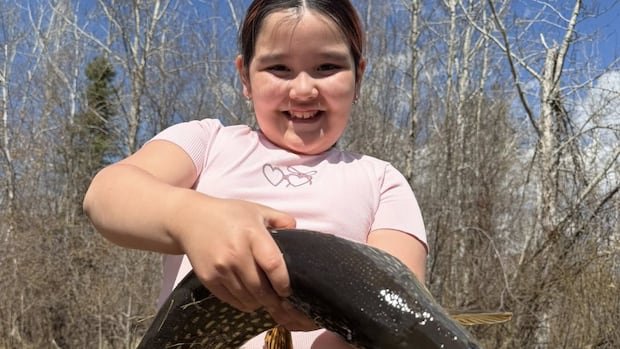
One of the focal points of the students’ learning experience is the traditional technique of snare fishing. Paul Haynes, the school’s land-based educator, explained the process, starting with crafting a snare at the end of a long branch taken from a poplar or birch tree. The pole’s length varies depending on the location, ranging from four to 12 feet. The critical aspect is locating the fish in the water, which Haynes described as an art form that requires precision and skill.
Following the challenges posed by the COVID-19 pandemic, the school had to reassess its teaching strategies due to low attendance and waning student motivation. Haynes noted the shift in the students’ perspective, with a newfound enthusiasm for learning and an understanding of the practical applications of their education.
The school’s initiative includes pairing older students with younger ones to facilitate mentorship and ensure safety during outdoor activities. This collaborative approach has fostered a sense of accomplishment and community, involving individuals of all ages in the learning process.
Snare fishing serves as a bridge between traditional and scientific knowledge, teaching students about fish biology and emphasizing ethical practices. Beyond educational benefits, the program instills a sense of responsibility in students by distributing the caught fish among families and utilizing any surplus for school lunches, promoting a culture of sustainability.
The involvement of elders Doreen Louise Moise and Pauline Fontaine, affectionately referred to as “hama” by the students, adds a valuable intergenerational dimension to the program. They impart essential skills like fish cleaning while emphasizing the importance of preserving cultural traditions for future generations.
High school student Carmen Haineault highlighted the significance of passing down these teachings, particularly for those who lack exposure to such practices at home. The program not only teaches practical skills but also instills values of respect and stewardship toward nature among the students.