
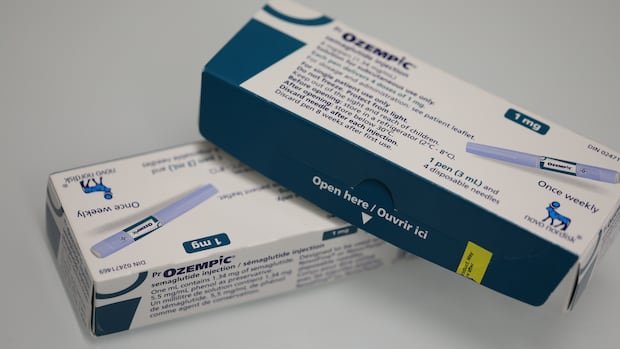

Health Canada has issued a caution against the purchase or usage of counterfeit or unauthorized versions of GLP-1 medications like semaglutide found in Ozempic and Wegovy. The public advisory emphasized that with the rising interest in GLP-1 products for weight loss, individuals might resort to unauthorized or fake products, which can pose significant health risks as they have not undergone Health Canada’s safety, effectiveness, or quality evaluations.
Authorized versions of these medications in Canada include semaglutide (Ozempic and Wegovy injections, and Rybelsus oral tablets) and tirzepatide (Mounjaro and Zepbound injections). Health Canada identified several retailers selling unauthorized GLP-1 products, sometimes known as “fauxzempic,” both in physical stores and online. Furthermore, some websites and social media ads misuse official Health Canada logos and provide false endorsements to deceive consumers.
The public advisory clarified that Health Canada never endorses health products or permits the use of its logo in the advertising or packaging of such products. Unauthorized or counterfeit drugs carry various risks such as incorrect dosage of active ingredients, inclusion of dangerous undisclosed substances, presence of contaminants like solvents or heavy metals, and improper labeling or manufacturing.
Health Canada warned that unauthorized or counterfeit injectable products pose additional risks like infections due to lack of sterility, allergic reactions, and other severe consequences due to contamination or unsafe administration. Selling unauthorized products or making false health claims is illegal in Canada.
Health Canada also highlighted the known risks associated with genuine GLP-1 products, including severe gastrointestinal issues, pancreatitis, kidney problems, and low blood sugar, particularly when combined with other medications. The regulator advised consumers to purchase prescription drugs only from licensed pharmacies, avoid unauthorized products, look for the Health Canada Drug Identification Number (DIN) on labels, consult healthcare professionals if they have used unauthorized GLP-1 products, and be cautious when buying drugs online.
Health Canada assured that it is actively monitoring the market, taking actions like seizing products and issuing compliance or warning letters against the sale of unauthorized products in stores and online. The regulatory body is collaborating with the Canada Border Services Agency (CBSA) to prevent unauthorized shipments from entering the country.
In June 2024, amid shortages, the World Health Organization raised concerns about falsified semaglutides identified in Brazil, the United Kingdom, and the U.S. in the previous year.