
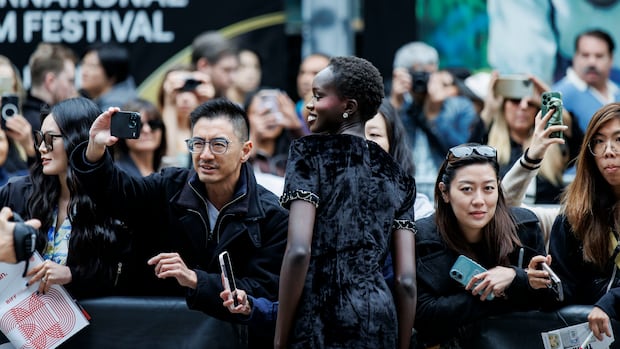

When Arjun Singh began his journey with the Toronto International Film Festival in 2022, he recalls purchasing tickets for the world premiere of the warrior drama “The Woman King” for approximately $50 each.
This year, he noticed that balcony seats for similar premium screenings, which often feature a Q-and-A session with the cast or director, were priced as high as $106.
“That makes you question, is this really worth it?” remarked the Toronto-based non-profit worker, who has reduced his attendance at TIFF galas and now primarily selects regular festival screenings due to the escalating prices.
While fans of TIFF have become accustomed to gradual ticket price increases each festival, this year’s spike represented the first instance in recent history where films, aside from the opening and closing night galas, surpassed the $100 threshold.
Fans noted that tickets for the premieres of highly anticipated films such as Palme d’Or winner “Fjord,” the justice system thriller “Prima Facie,” and the Ryan Gosling-produced “Love of Your Life” were priced at $106. Additionally, some users shared screenshots on Reddit showing first-row tickets for premieres selling for $128. Last year, tickets in that same category peaked at $98.
TIFF did not respond to several inquiries regarding ticket pricing.
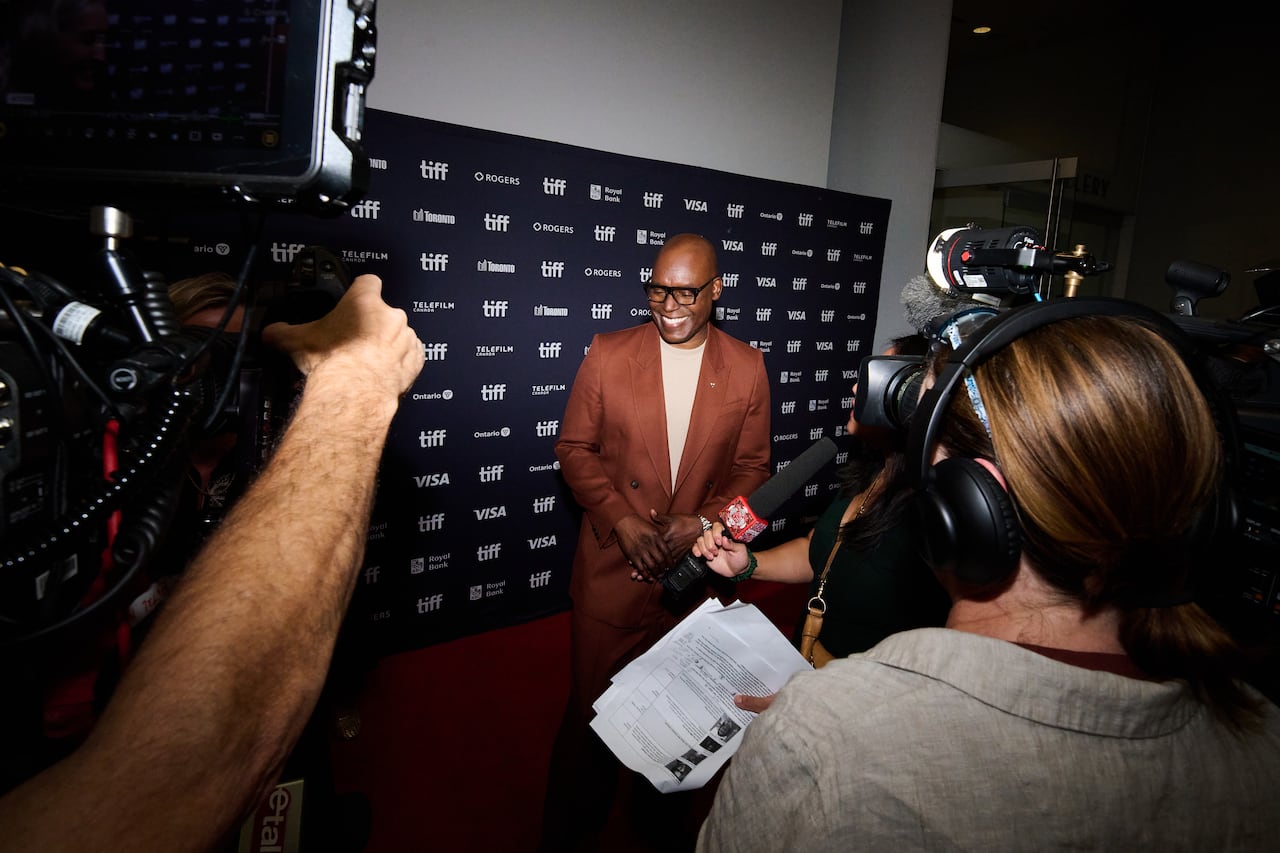
The rise in ticket prices has prompted devoted fans, who typically watch upwards of 30 films during TIFF’s 10-day duration, to reconsider their attendance at premieres. (Sammy Kogan/The Canadian Press)
Costs are ‘crazy’: TIFF fan
The price hike has led some dedicated attendees, who watch 30 films or more during the festival’s 10 days, to rethink their plans for attending premieres. Others express concern over how much longer they will be able to afford the event, which was once affectionately called “the people’s festival” due to its accessibility and affordability.
“It really adds up, especially when you’re buying tickets for friends too. You don’t want to check your credit card,” said Joel Chico, an actor who estimates he spends around $2,000 annually on up to 30 tickets for premium screenings.
Much like many TIFF enthusiasts, he adopts a “grin-and-bear-it” attitude towards ticket prices, motivated by the excitement of sharing the experience with the cast during the film’s premiere. However, they still wish for lower prices.
“I adore TIFF. It’s like my Christmas each year, but the costs are just getting out of hand,” Chico commented.
Typically, TIFF provides price ranges for each ticket type leading up to the festival, but this year, they did not specify the maximum prices for different seating categories.
Regular screenings, which take place after premieres and usually lack cast attendance, were priced starting at $30 for non-members. Premium screenings began at $46. A review of ticket options revealed numerous premium seats for screenings priced up to $106.
Prior to the festival, TIFF promoted a $2 discount on regular screenings for members and promised $15 tickets for select showings, but specific details about those tickets had not been released with just over a week remaining before the event began.
Higher demand raising prices: Cinema studies professor
Charlie Keil, a professor at the Cinema Studies Institute at the University of Toronto, stated that TIFF is likely raising prices both because it has the ability to do so and because it needs to.
Over its 51-year history, he believes festival organizers have recognized that film enthusiasts are willing to pay premium prices to view a movie ahead of the general public and to experience it alongside Hollywood’s top stars.
“When demand exists, that often encourages institutions to stretch their pricing limits because they believe audiences will continue to attend,” Keil explained.
However, demand isn’t the only factor influencing pricing.
Arts organizations are frequently looking to patrons to assist with managing tight budgets and rising costs, and TIFF is likely facing similar challenges.
“Costs for venue space, transportation, food, hospitality, and accommodation have all risen. Everything is becoming more expensive,” Keil pointed out.
In addition to inflation, TIFF is still recuperating from the impacts of the COVID-19 pandemic, which led to online and scaled-back editions of the festival.
In 2023, the Hollywood strikes prevented many stars from attending the festival to promote their films. That same year, TIFF lost its long-time sponsor Bell, which had been supporting the organization since 1995.
The federal government provided $23 million to assist TIFF in launching a film market this year, and Rogers stepped in to fill Bell’s absence with a three-year agreement that extends through 2027.
The most recent financial data released by TIFF showed revenues of approximately $45.1 million and expenses exceeding $41.9 million for 2024. The majority of its revenue was generated through ticket sales, followed by corporate partnerships, while salaries constituted around half of its expenses.
In 2023, TIFF reported revenues of $39.6 million against approximately $46.2 million in expenses, according to its annual reports.
-
TIFF announces Margaret Qualley romance, Mahershala Ali action film and more as premieres
-
People wait hours in line to see, purchase films at TIFF
TIFF’s costs for programming, administration, and fundraising have all increased in recent years, according to Charity Intelligence Canada, which evaluates and publishes financial information about charities.
“There are numerous factors contributing to the difficulties,” Keil remarked. “I would not want to be in TIFF’s position right now, attempting to navigate the financial landscape while maintaining the festival’s esteemed reputation.”
Cathy Crowe acknowledges the significant expenses associated with hosting a festival of TIFF’s magnitude — this year’s event will feature nearly 300 films and television shows — yet she remains disheartened by the ticket prices.
After her filmmaker friends introduced her to the festival in the late 1990s, she began treating it as an annual getaway. She recalls watching between 20 and 30 films each year, often paying only $17 per ticket.
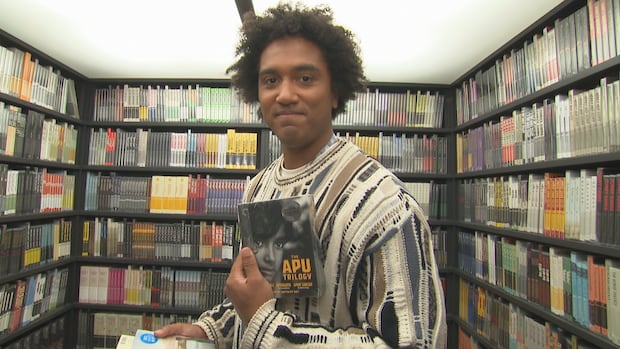
CBC reporter and film critic Jackson Weaver visits the Criterion Mobile Closet — a sort of cinephile heaven — at the Toronto International Film Festival.
Crowe avoids the most extravagant galas, which typically transform Roy Thomson Hall and the Princess of Wales Theatre into a buzzing spectacle, which has kept her festival experience affordable.
However, last year when she logged in to purchase tickets during the members’ window, she found that most of the screenings she wanted to attend were sold out.
“I only secured one of my 20 selections, which was incredibly disappointing, and when I finally got it, it was a $37 film,” she recounted. “For a truly significant film, it was acceptable, but how could I afford to see 20 or 30 films at that rate?”
In simple terms, she did not. She attended one film — the German historical drama “Silent Friend” — and then began to ponder how many more years she could realistically afford to remain a dedicated TIFF attendee.
“I see it as coming to an end,” she stated.
This year, she aims to catch at least one film — a Midnight Madness feature — with her grandson, but she is fully aware that the festival will not feel the same as it once did.
“It is no longer a people’s festival,” Crowe affirmed. “I know it will be crowded. I understand people will attend. I know attendees will come from all over the country, but many regular folks are being excluded.”
This is concerning, Keil noted, because TIFF has consistently taken pride in its capacity to attract a significant number of public attendees each year.
Indeed, this broad access serves as a key selling point, enabling TIFF to draw in films from filmmakers eager to gauge public reactions or generate buzz with a diverse audience beyond industry insiders at competing festivals.
“The primary goal is to provide audiences access to films they would not typically see from regions they may not usually encounter films from,” Keil stated.
“If these films are priced beyond the reach of the average cinephile, then the festival won’t be as effective in fulfilling that mission.”