


While not every child has the chance to engage with an author or see personal keepsakes from someone they have read about, a group of Grade 6 and 7 students in Toronto had that unique opportunity on Tuesday during an event commemorating International Holocaust Remembrance Day.
Many attendees gathered at the headquarters of the Toronto District School Board, while others in the vicinity tuned into a livestream to hear from Kathy Kacer about her book To Hope and Back. This book tells the story of the 1939 journey of the St. Louis, a ship carrying Jewish refugees escaping Nazi Germany prior to the outbreak of the Second World War.
The vessel was denied entry by several countries, including Canada, and ultimately had to return to Europe.
“When I was your age and even older, I read a lot,” Kacer shared with the young audience. “But the story of the St. Louis stuck with me for many years as a significant and pivotal tale … This was a story I always intended to write at some point.”
Kacer’s narrative is told through the perspectives of two children aboard the ship—Lisa and Sol—drawing from historical research and interviews she conducted with the two survivors years later.
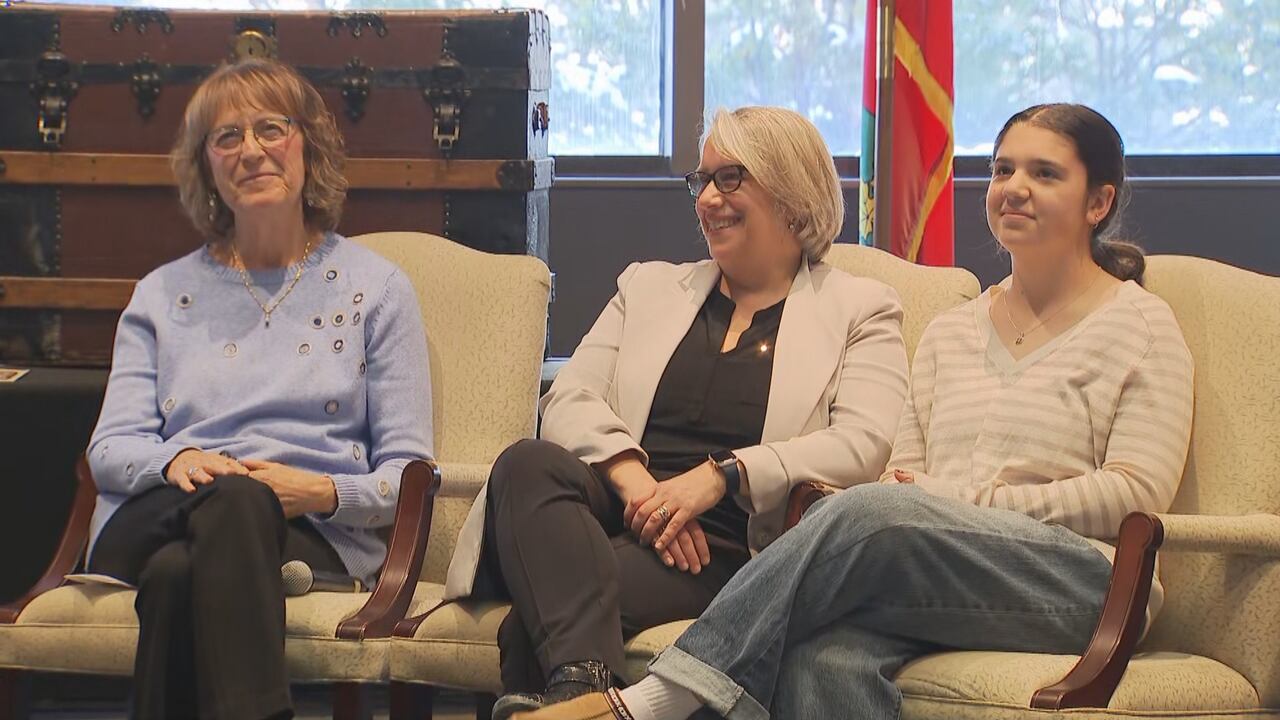
Author Kathy Kacer, left, speaks at the Toronto District School Board’s headquarters on Tuesday, joined by Madeline Avedon, centre, and Talia Mirkin, the daughter and grand-daughter of Lisa Avedon, whom Kacer depicted in her book To Hope and Back. (CBC)
Lisa Avedon has since passed away, but her daughter Madeline Avedon and granddaughter Talia Mirkin were present to share their family stories about cherished black-and-white photographs, a well-loved children’s book, a favorite chair, and a sturdy trunk that accompanied Lisa on her journey, all of which have been meticulously preserved within their family.
Students engaged the trio with a variety of questions: from the types of food consumed by the passengers to the duration of the voyage, given that the St. Louis was turned away from numerous ports.
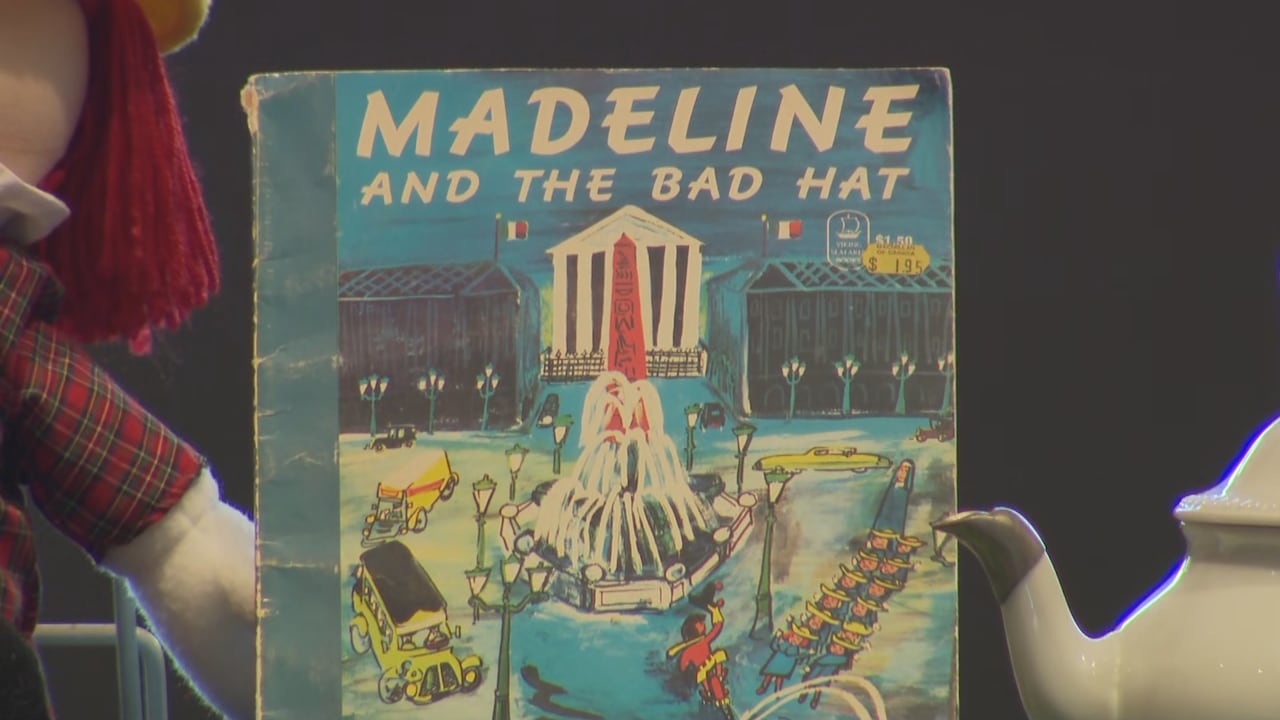
Madeline Avedon informed students that her mother, as a child, could take only one item on her journey away from Nazi Germany — her favorite book. (CBC)
Marilyn Sinclair, founder of Liberation 75, a group dedicated to Holocaust education, emphasized the importance of addressing student inquiries in a school context, noting that many now learn about the Holocaust through social media.
“When events bring children together, it allows us to hear their genuine concerns and the questions occupying their minds. Their curiosity fosters dialogue with their peers, and we aim for them to discuss these challenging topics,” Sinclair explained.
Over the last four years, seven provinces and territories have announced that Holocaust education will become mandatory in school curricula. Most have placed these lessons in high school, while a few have yet to roll them out. Liberation 75 advocates for introducing lessons on the Holocaust and antisemitism in Grade 6, as students begin to develop their social skills and critical thinking.
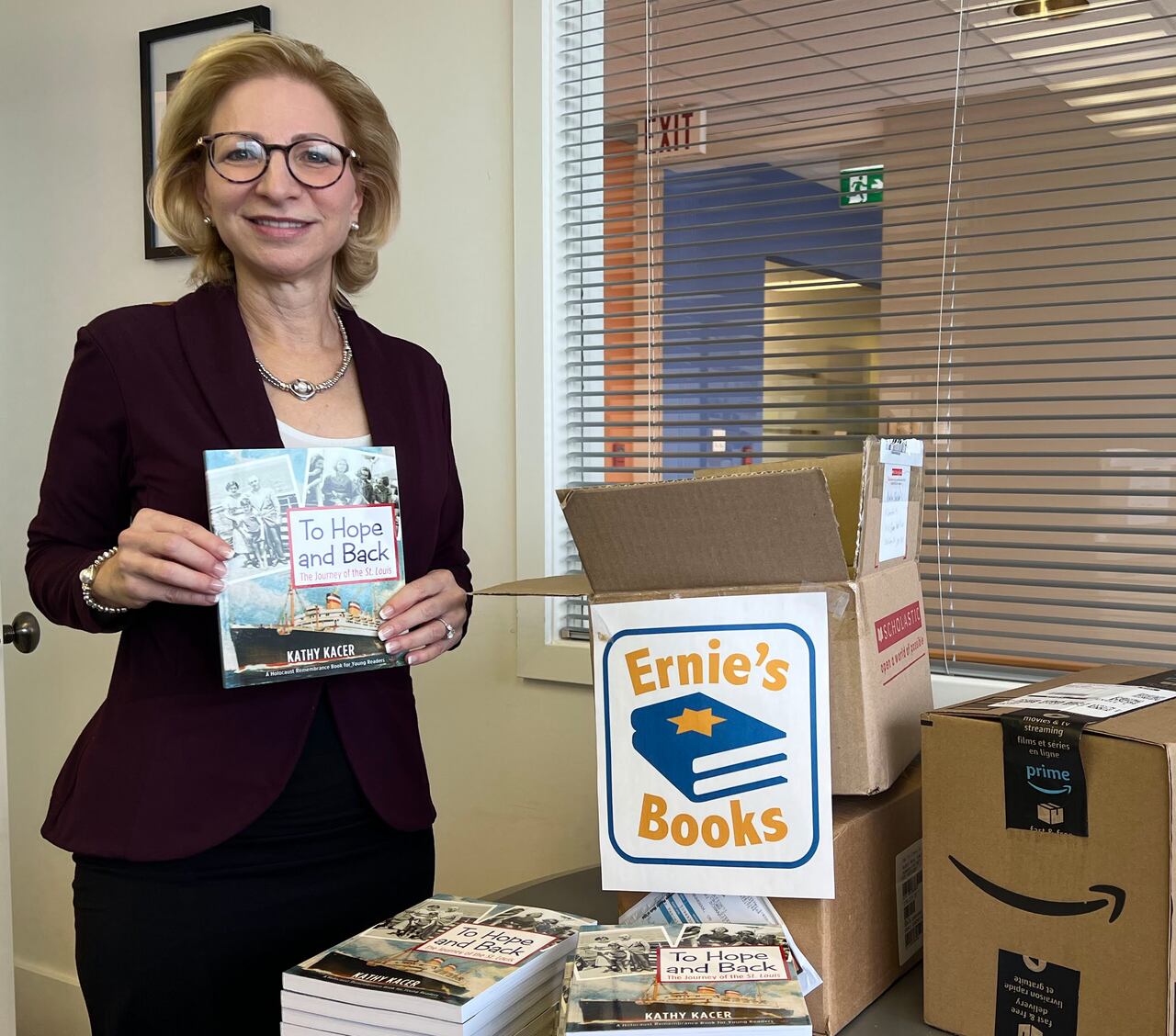
Marilyn Sinclair, founder of the Holocaust education group Liberation 75, sent free copies of Kacer’s book to elementary school classrooms across Ontario in 2023. (Nazima Walji/CBC)
When a young participant inquired how Kacer ensures the accuracy of her narrative, Sinclair noted, “They are questioning whether something is real, credible, and trustworthy. We want our students to adopt that mindset.”
At the Toronto Holocaust Museum, elementary school students learn through age-appropriate first-person narratives, as stated by executive director Dara Solomon.
“They are often too young to understand the specifics of concentration camps and the atrocities in that manner,” she remarked. “Instead, they focus on Holocaust survivors who endured those experiences and made their way to Canada, as well as Canada’s response to the war and the Holocaust.”
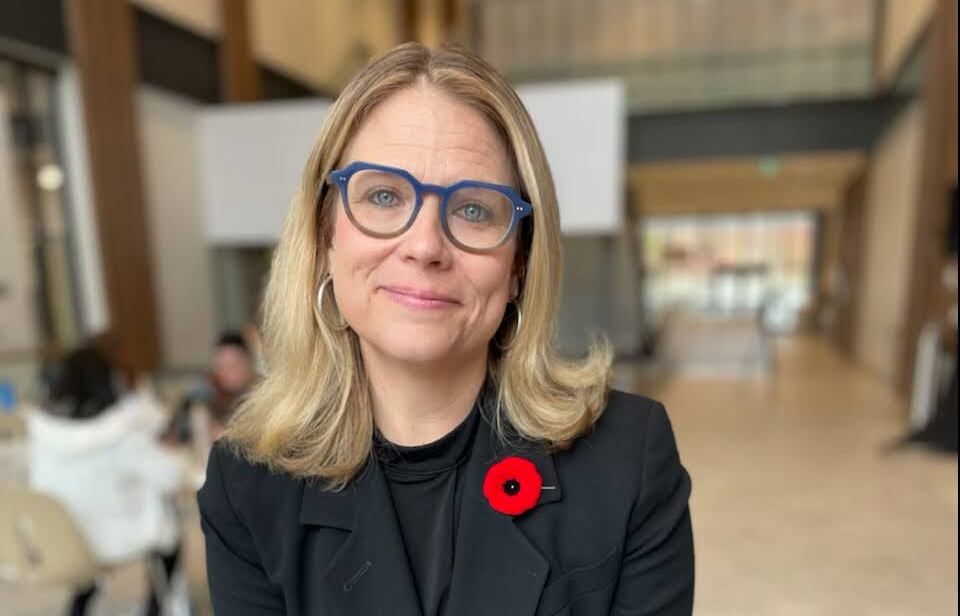
Toronto Holocaust Museum executive director Dara Solomon, seen here in 2022, says younger students visiting the museum also learn through first-person stories. (Doug Husby/CBC)
“It is crucial for students to learn from history how to be responsible citizens and what actions to take when confronted with hate, while also navigating the misinformation they encounter on social media,” she added.
Experiencing artifacts up close and hearing from Lisa’s daughter and granddaughter makes the book feel more real and fosters contemporary connections, according to Sharon Alexander, a TDSB teacher who attended with several of her Grade 6 classes.
“As we distance ourselves from these historical events, they become increasingly relevant to current global issues,” Alexander stated. With hate on the rise, students are “continuously bombarded with distressing news on social media.”
Learning about the real Lisa brings the story to life, helping students better grasp the narrative, remarked student Sadie Krzyzanowski.
The event on Tuesday also reinforced an important message for another student.
“We should treat everyone equally because we are all the same. No one is superior to anyone else,” expressed Elia Kim.
“The world has improved in some ways as we have become slightly less racist and treat others more equally. However, there is still significant racism and similar issues present in the world.”

Toronto District School Board teacher Sharon Alexander says hearing from Avedon and Mirkin makes the book more tangible and helps her student make modern-day connections. (Deana Sumanac-Johnson/CBC)